The Tradition
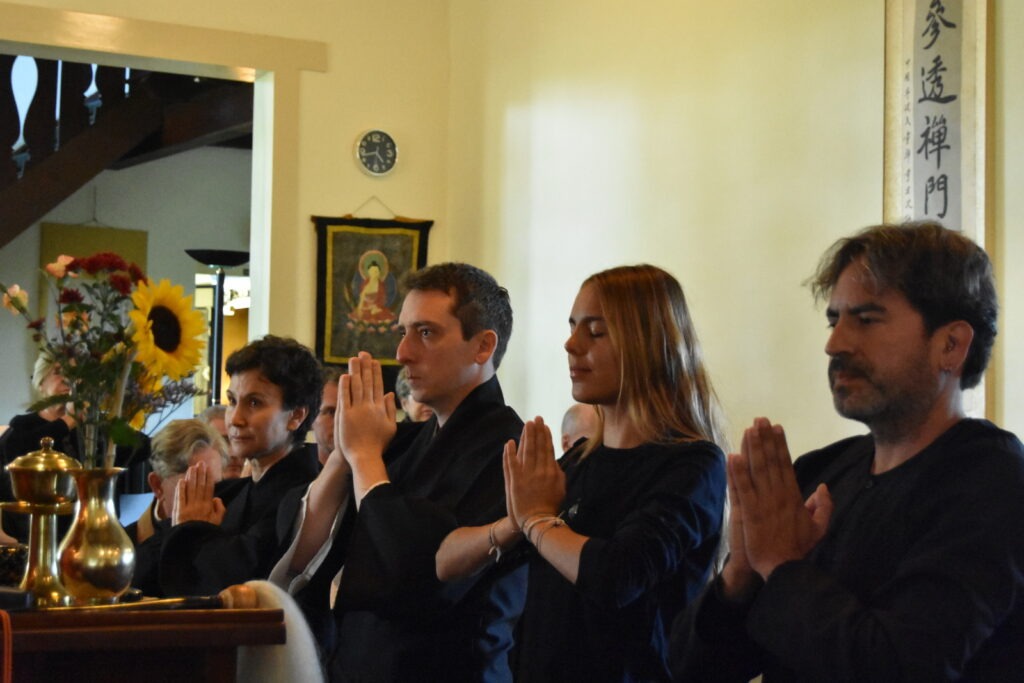
Zen River draws on the long Zen-Buddhist tradition
while continuing to explore what that tradition needs today
The White Plum Lineage
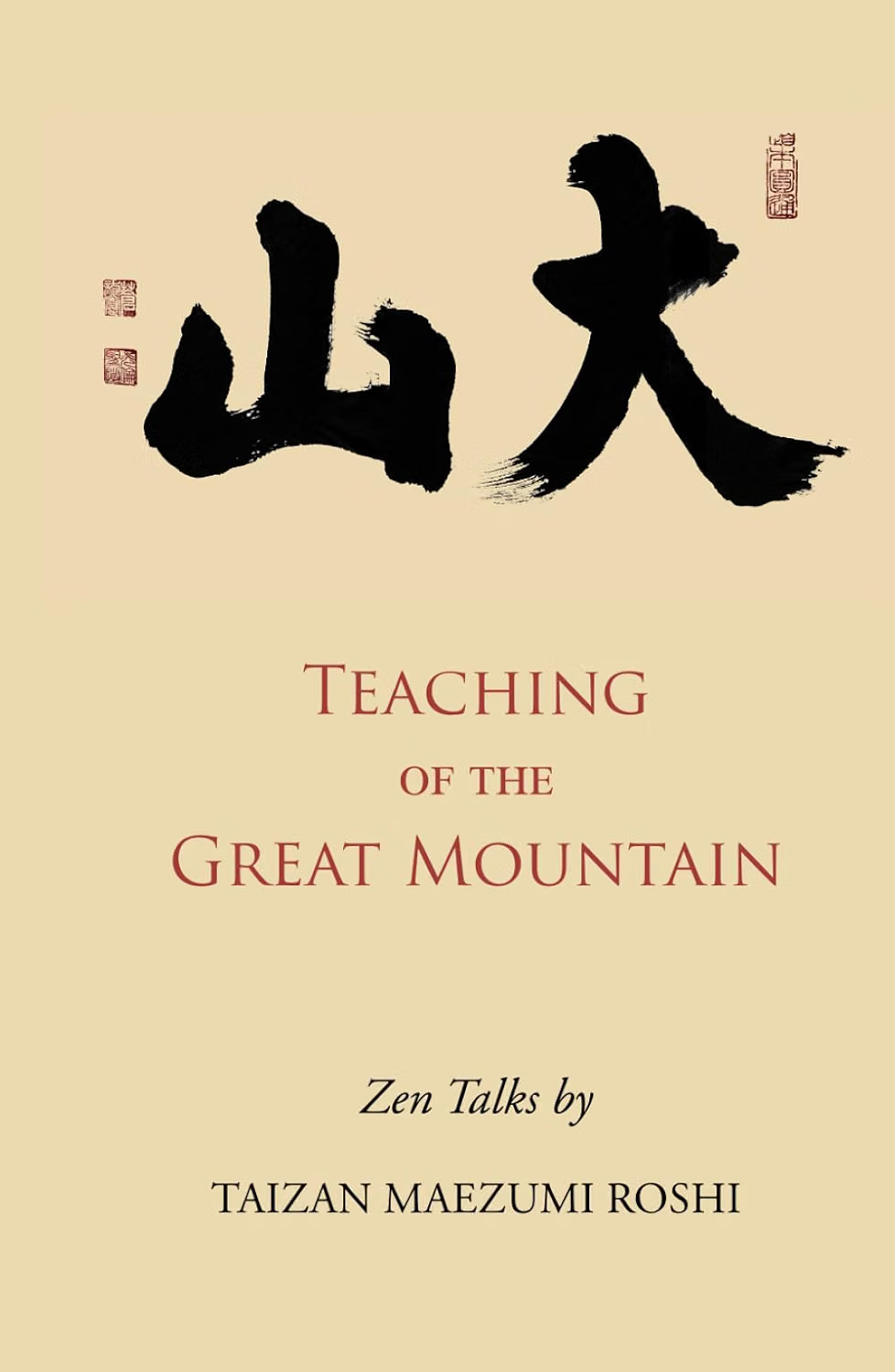
The founder of the White Plum Lineage, Taizan Maezumi Roshi, uniquely brought together different Rinzai and Soto Zen Lines. Zen River tries to honour that heritage, by using a variety of styles to accommodate different inclinations of practitioners.
The guiding principle is that everyone can share in the wisdom and compassion of the Buddha and learn to manifest those virtues in actual daily conduct
Transmission
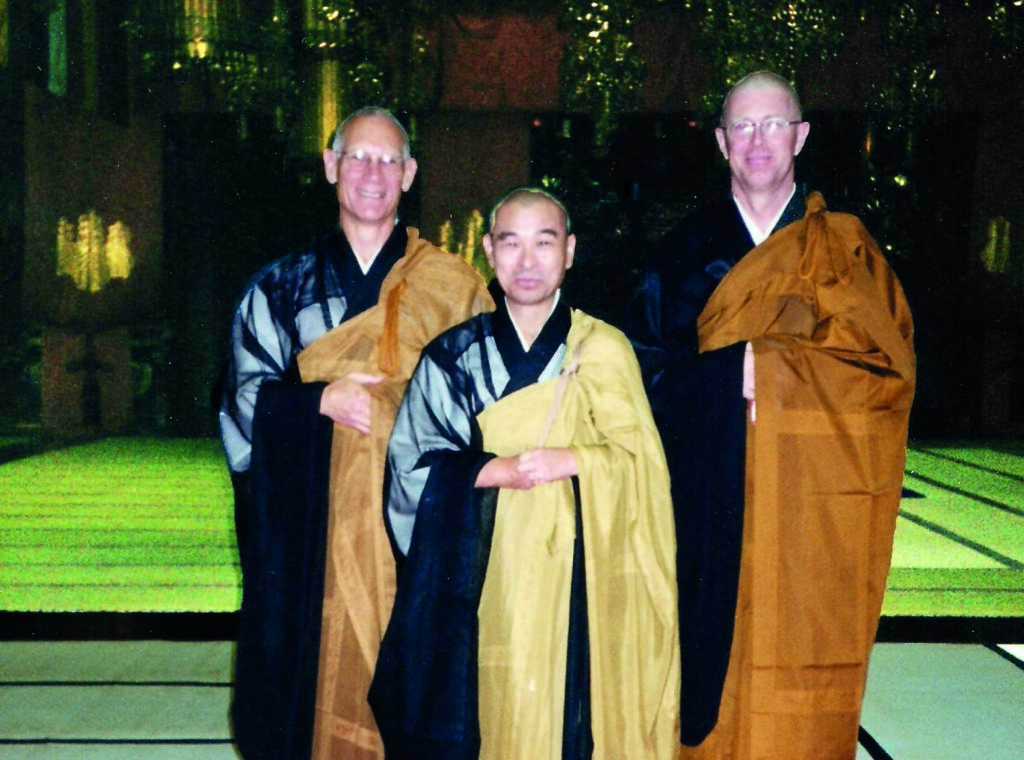
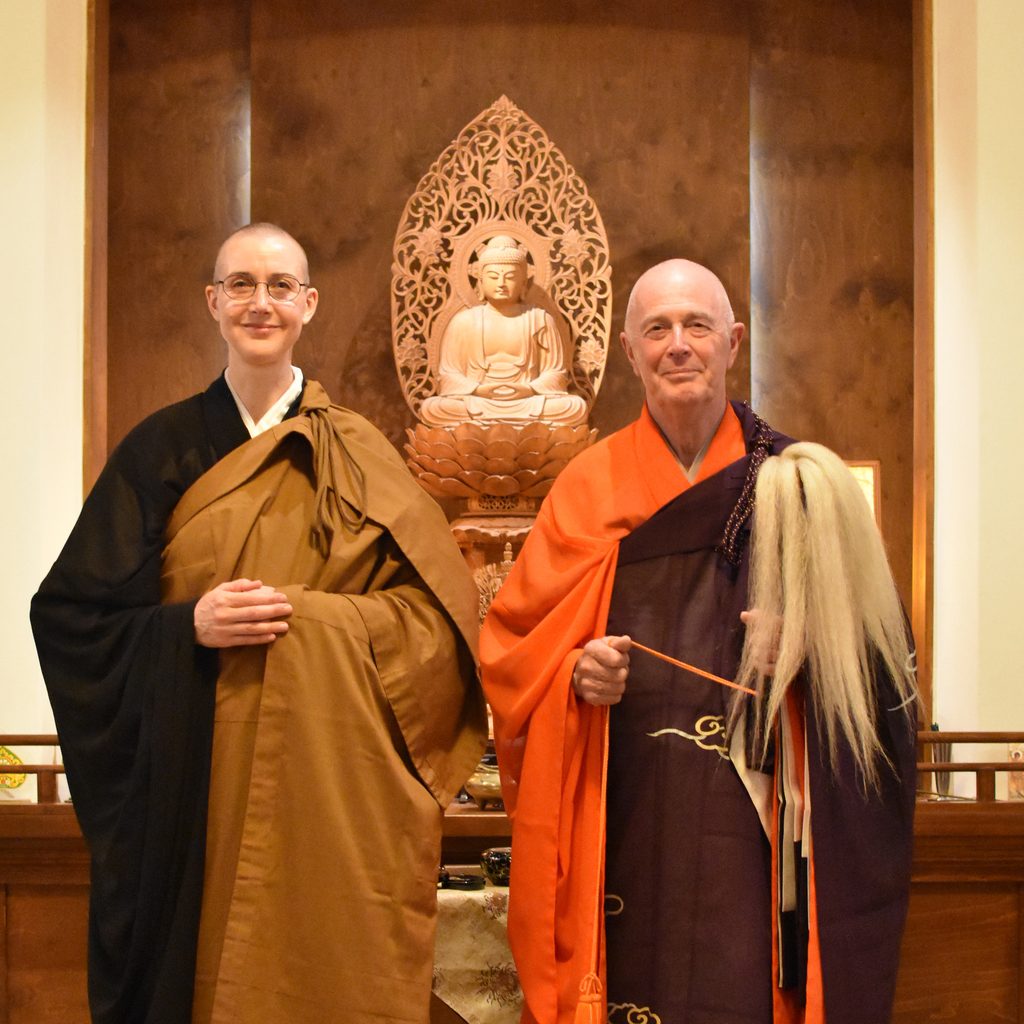
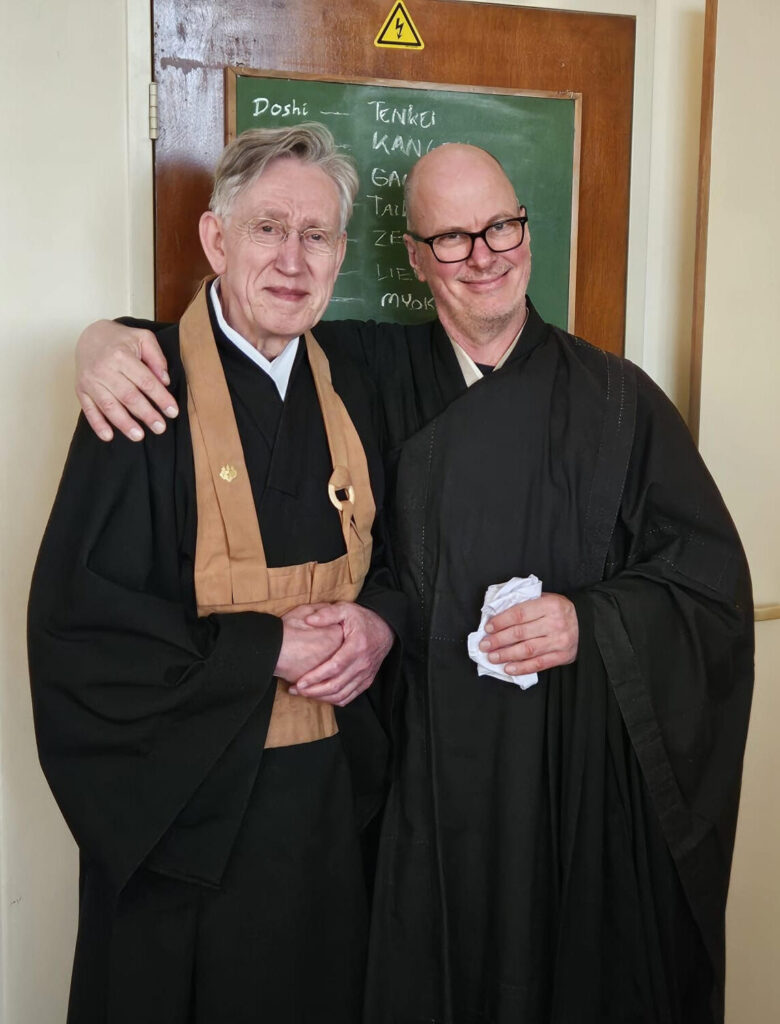
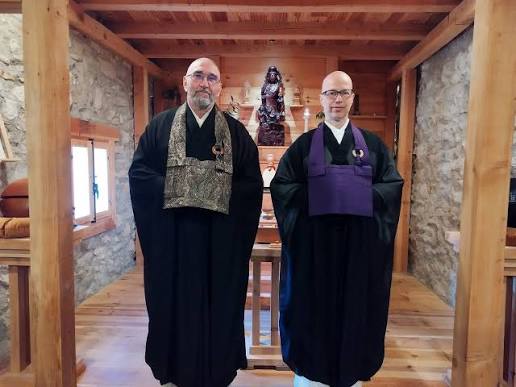
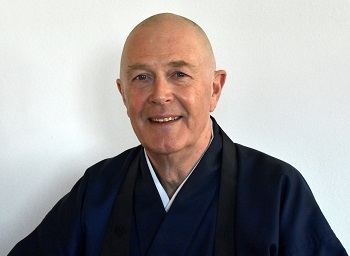
Since 1976 and 1988 respectively, Abbot Tenkei & Vice-Abbot Myoho Roshi have lived and trained with three teachers of the White Plum Lineage: Maezumi Roshi, Genpo Roshi and Baigaku Junju Roshi.
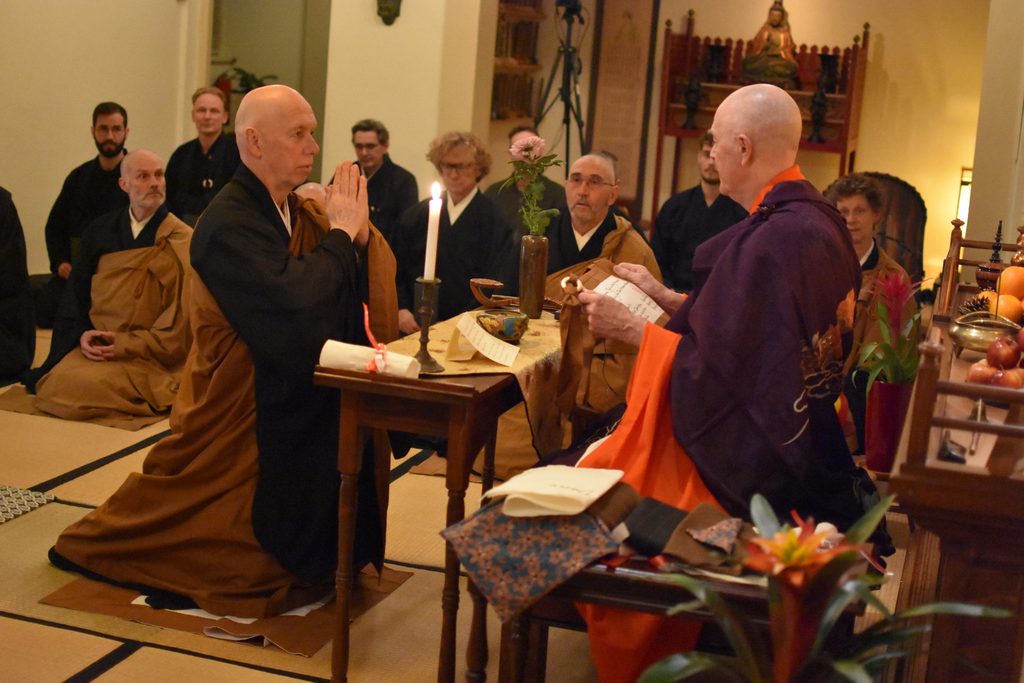
Genpo Roshi gave Tenkei Shiho (Dharma Transmission) in 1996 and Inka (Final Seal of Approval) in 2006. Myoho received Shiho in 2008 and Inka in 2011
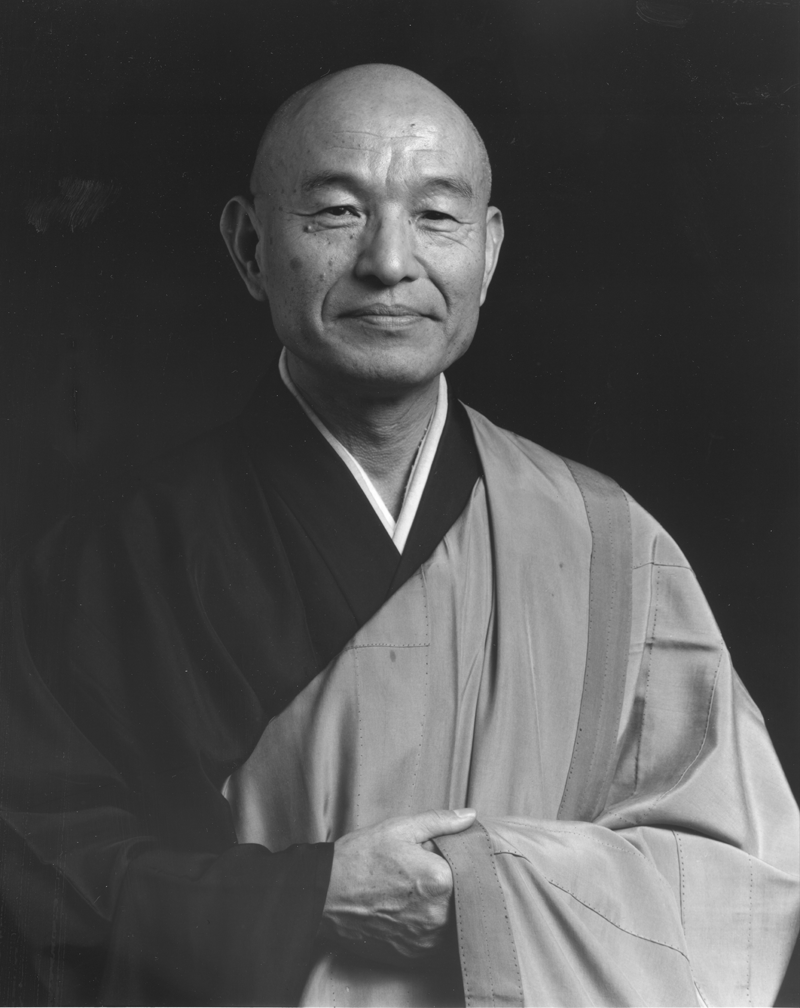
Taizan Maezumi Roshi (1931–1995)
Maezumi Roshi received not only Shiho in Soto Zen from Baian Hakujun Kuroda Roshi, but he also received Inka in the Shakyamuni Kai from Osaka Koryu Roshi and in the Sanbo Kyodan from Hakuun Yasutani Roshi.
As he incorporated the approaches of all of these masters, he could draw from an exceptionally rich background and express the teaching of the Buddha in a very broad and colourful way.
He founded one of the first Zen Centers in the West, Zen Center of Los Angeles. And founded The White Plum Asanga, which has, to-date, over 200 teachers from all over the world.
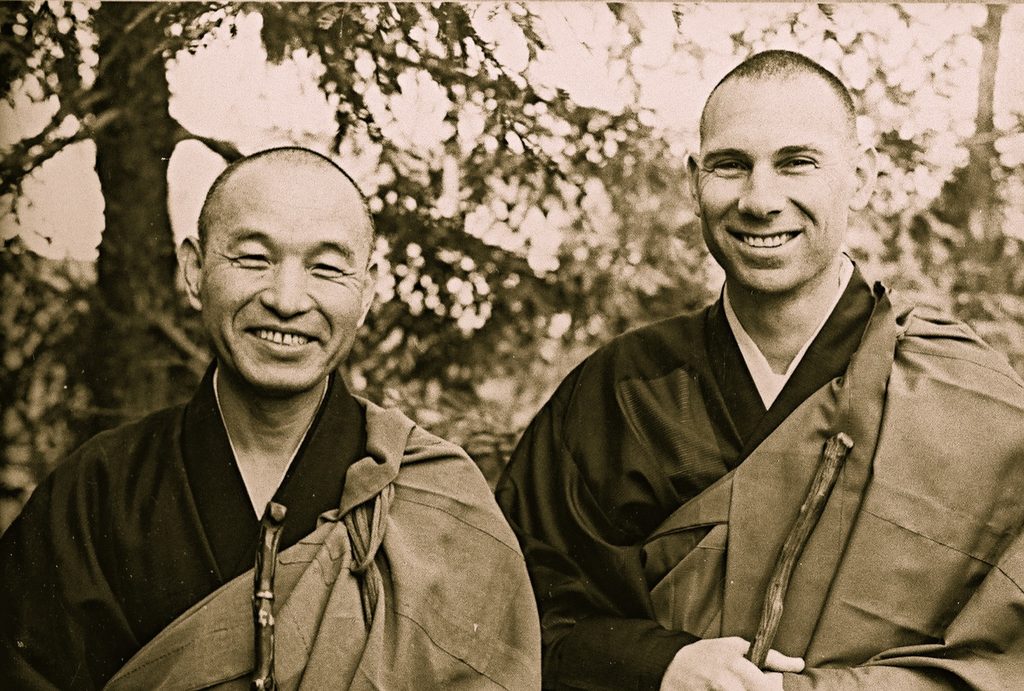
Tenkei Roshi started his Zen Practice at 1976 the Zen Center of Los Angeles, spending his first few years studying under Maezumi Roshi. Later Tenkei travelled extensively with him through Europe.
Maezumi Roshi passed away unexpectedly on May 15, 1995, while visiting Japan.
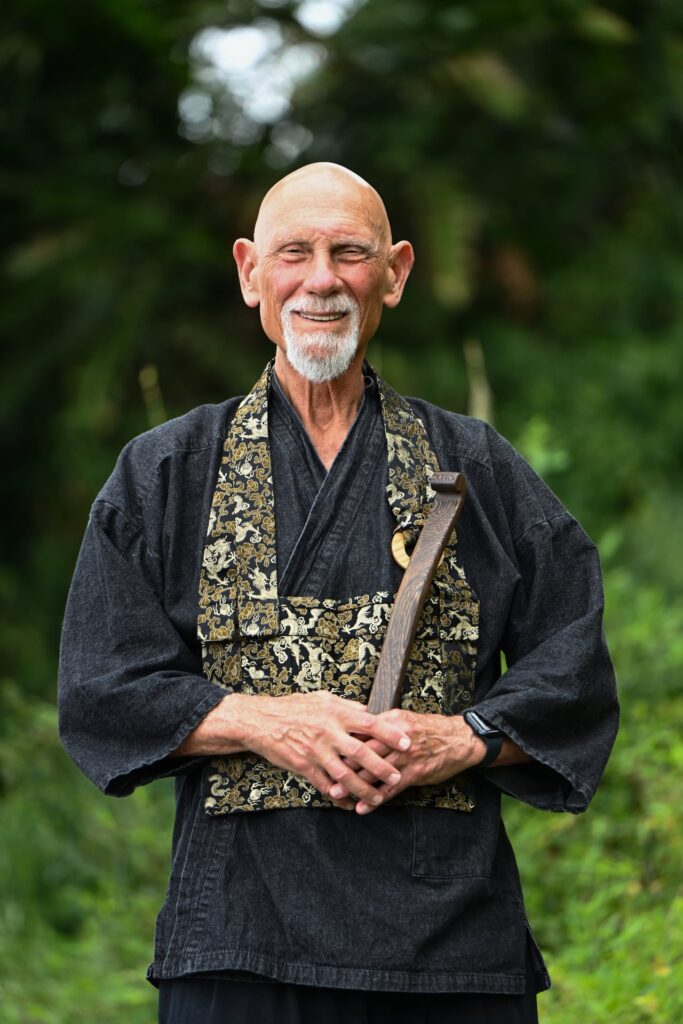
Genpo Merzel Roshi (1944)
Genpo Roshi is the second dharma successor of Taizan Maezumi Roshi. After receiving dharma transmission in 1979 he stayed at the Zen Center of Los Angeles for four more years to assist Maezumi Roshi in teaching.
He started visiting Europe several times a year to conduct Zen retreats, eventually creating the international Kanzeon Sangha.
Around early 2000 he created an interactive method called ‘Big Mind’, which combines the way of Zen with Western psychological insights.
Tenkei and Myoho lived and trained with Genpo Roshi for many years, ultimately both becoming a successor of his.
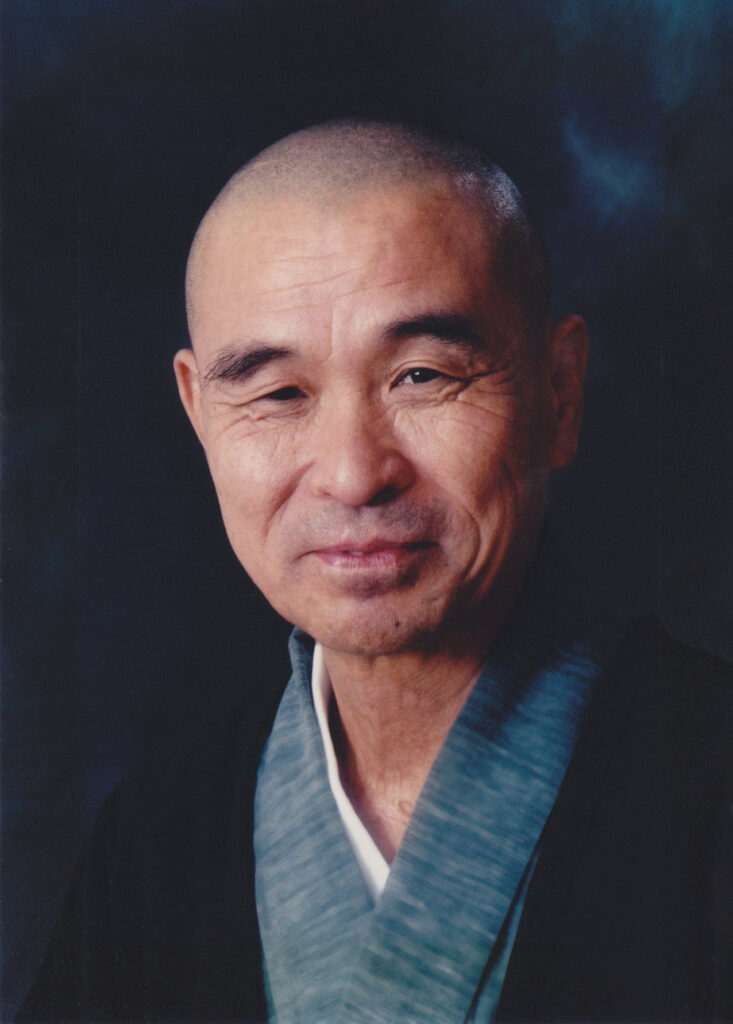
Baigaku Junyu Kuroda Roshi (1940- 2021)
Kuroda Roshi was a younger brother of Maezumi Roshi and Abbot of two temples — Kirigayaji in Tokyo and Fujidera in Gotemba, close to Mount Fuji.
He graduated from Komazawa University in 1963 and received Shiho from his father in 1968. In addition to traditional Sodo training in Sojiji, he completed in a special course there that qualified him as a Zen Master in 1970.
As a big supporter of Maezumi Roshi’s vision, Hojo-san often helped out at the Zen Center of Los Angeles and became an important bridge between East and West.
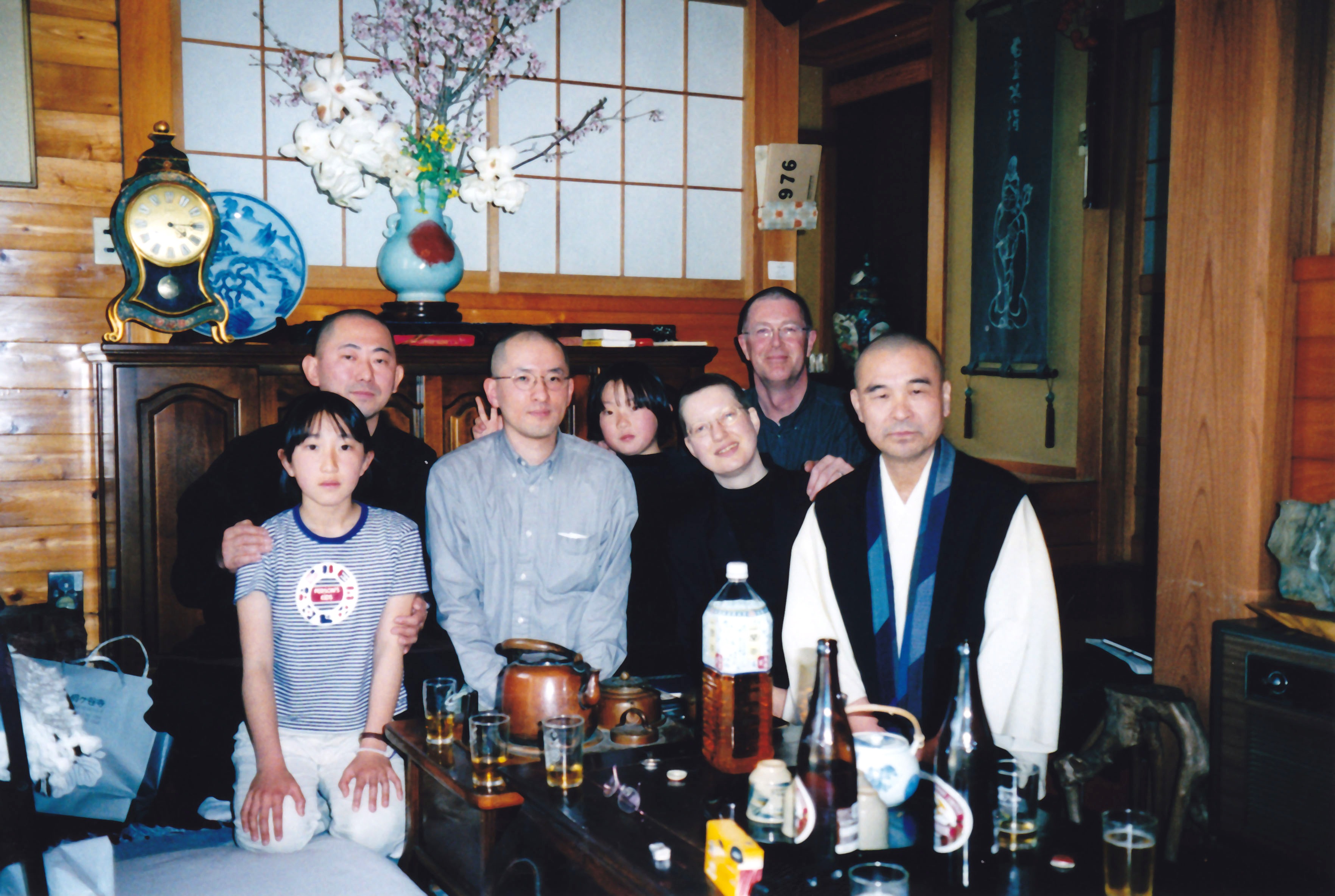
In 2000, Tenkei and Myoho Roshi lived and practised for six months with Hojo-san at Kirigayaji. Since then, he has been of great support for Zen River Temple.
Looking Towards the Future
Zen River aims to maintain the timeless teachings of these Masters
by trying to root them in a place and training-programme suited for
their contemporary surroundings.